
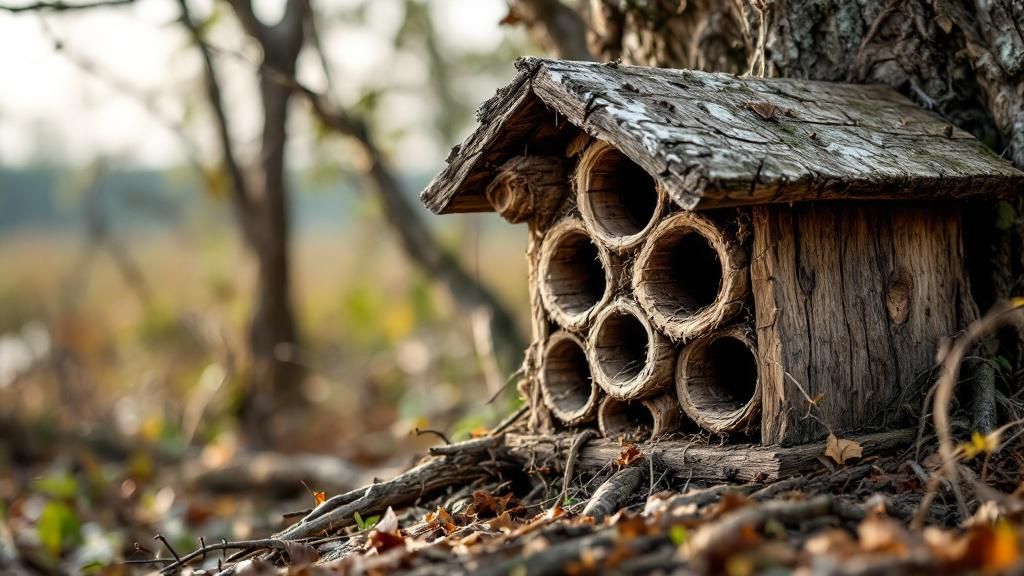
Sand martins are preparing for a significant move at Testwood Lakes Nature Reserve in Hampshire, where a purpose-built structure has been constructed to provide them with a new home. The purpose-built facility aims to safeguard the future of these seasonal arrivals at the site, offering them safe breeding areas as they come for the nesting period. The initiative represents a significant conservation effort to protect the tiny traveling species, which experience population declines across their distribution. With moving day approaching, the reserve expects the new accommodation will encourage sand martins to establish a flourishing settlement at Testwood Lakes, guaranteeing the species continues to visit the Hampshire wetland for many years ahead.
A Specially Designed Retreat for Summer Guests
The carefully crafted structure at Testwood Lakes represents a thoroughly planned solution to the difficulties sand martins experience when searching for suitable breeding locations. Built to replicate the natural conditions these birds depend on, the facility provides secure burrows and chambers that mimic the riverside excavations where sand martins traditionally breed. The reserve’s conservation team has invested considerable effort in ensuring the structure meets the specific needs of these sensitive migratory species, creating an space where they can safely raise their chicks away from predators and disturbance.
Sand martins are among Europe’s smallest martins, usually reaching Britain from April onward after spending winter in sub-Saharan regions of Africa. Their return each spring marks an important moment in the ecological calendar at wetland reserves like Testwood Lakes. By offering this specially designed shelter, the Hampshire nature reserve is taking proactive steps to enhance breeding prospects and work to reverse declining populations that have affected the species across the past several decades. The initiative shows how targeted conservation action can make a tangible difference for at-risk migratory species.
- Purpose-built tunnels recreate native riverbank burrow conditions
- Safeguards nesting birds from predators and human disruption
- Supports breeding success during critical summer months
- Helps reverse declining populations across Britain and Europe
Why Sand Martin populations Require Our Help
Sand martins confront significant pressures in the modern landscape, with their populations experiencing alarming declines across Europe and Britain over the last several decades. The reduction of proper nesting areas has become a critical threat to these sensitive migrating species. Natural riverbank sites where sand martins historically create their burrows have been damaged or diminished through stream regulation initiatives, flood defenses, and development pressures. Without intervention, many populations face challenges discovering safe places to breed, forcing birds to vacate customary breeding sites and seek alternative—often unsuitable—locations.
Changing climate exacerbates these difficulties, impacting the schedule for sand martins’ return and the availability of insect prey they depend on for feeding themselves and their chicks. Pesticide use has further diminished insect populations, leaving breeding birds with inadequate food sources during the crucial breeding period. The combined impact of these pressures means that sand martins cannot rely on natural habitat alone for their survival. Conservation efforts like the one at Testwood Lakes have become vital to ensuring these remarkable summer visitors can maintain their yearly migration and successfully raise the next generation.
Habitat Degradation and Protection Difficulties
The elimination of natural nesting sites represents one of the most significant threats to sand martin groups across their reproductive territories. Riverbank management strategies, encompassing bank stabilization and flood protection infrastructure, have removed many of the soft-banked cliff areas and riverbanks where these birds naturally nest. Development in urban and farming areas has also fragmented suitable environments, leaving behind sand martins with ever-shrinking choices for setting up breeding colonies. This loss of habitat has been especially pronounced in lowland areas where human intervention is most intensive.
Beyond physical habitat destruction, sand martins face extra pressures from water quality issues and pollution. Contaminated waterways harm the insects making up the birds’ principal diet, while pesticide accumulation can collect within their bodies. Additionally, disruption caused by human activities and the existence of predatory species near surviving nest areas generate continuous stress. These interconnected challenges mean that safeguarding sand martins requires comprehensive conservation strategies confronting numerous challenges simultaneously, making facilities like Testwood Lakes’ specially designed facility a essential element of current conservation initiatives.
Testwood Lakes Natural Reserve Initiative
Testwood Lakes Nature Reserve in Hampshire has implemented measures to tackle the challenges of sand martins through the construction of a custom-designed breeding facility specifically designed to meet the birds’ breeding requirements. This innovative facility constitutes a strategic conservation action to the significant reduction of natural nesting habitats across the region. By supplying constructed burrows that mimic the environment sand martins instinctively require in sandy riverbanks and cliff faces, the reserve offers a secure alternative for these seasonal arrivals. The structure has been meticulously engineered to guarantee ideal circumstances for effective reproduction, including appropriate tunnel dimensions, adequate water management, and safeguards against predators and interference.
The initiative at Testwood Lakes demonstrates how contemporary wildlife management can reconcile habitat destruction and population persistence. Rather than simply protecting existing natural areas, the reserve has invested in creating new breeding opportunities that can support larger populations than would typically occur in the area. This forward-thinking strategy recognizes the fact that sand martins can no longer rely solely on natural habitats in many regions and that managed breeding sites have become essential components of their species protection. The project has already generated significant interest from community groups and conservation organizations, establishing a model that could be replicated at other sites across Hampshire and further afield.
| Feature | Benefit |
|---|---|
| Purpose-built burrow structure | Provides secure nesting sites that replicate natural conditions |
| Predator protection systems | Reduces nest losses and increases breeding success rates |
| Strategic location at water’s edge | Ensures proximity to insect food sources and drinking water |
| Monitoring and maintenance protocols | Allows researchers to track population trends and identify emerging threats |
Sustained Conservation Aims
The Testwood Lakes initiative aims to establish a sustainable breeding population of sand martins that can function as a safe haven during difficult migration periods and climate variations. By offering dependable nesting habitat, the reserve aims to boost area population counts and support the general resurgence of sand martins across southern England. Ongoing surveillance of the breeding colony will produce important data on population dynamics, breeding success rates, and the efficiency of the artificial nesting structure in enabling multiple breeding seasons.
Beyond immediate population benefits, the project seeks to inspire broader conservation efforts and raise public awareness about sand martin ecology and the threats they face. By demonstrating that human intervention can successfully support these extraordinary species, Testwood Lakes aims to catalyze similar initiatives at other nature reserves and protected sites. The reserve’s dedication to sustained stewardship ensures that sand martins will have a secure future at this location, offering an encouraging model of how focused conservation strategies can reverse population declines and return wildlife to their historical ranges.
What Comes Next for the Colony
The recently constructed burrow structure at Testwood Lakes is now set to accommodate its first residents as the sand martin breeding season approaches. Installation teams have concluded preparatory work, ensuring that every aspect of the man-made breeding facility meets the particular needs of these flying insect hunters. The structure’s design builds on experience gained from similar projects across Europe, enhancing dimensions, drainage, and predator deterrents to boost usage rates and reproductive success. Reserve staff will perform ongoing observation throughout the season, recording arrival dates, nesting patterns, and fledgling numbers to develop baseline information for future comparisons.
Early signs point to robust demand from relocating sand martin communities, with scouts already spotted inspecting the Hampshire wetland in recent weeks. The installation timing coincides perfectly with the birds’ return from African wintering grounds, providing them with quick access to premium nesting habitat. Conservation groups expect that informal communication among sand martin colonies will progressively boost knowledge of the new location, potentially attracting birds from nearby areas. Success during these vital early periods will decide if Testwood Lakes develops into an established breeding site, possibly supporting many nesting pairs within the next few years.
- Deploy surveillance equipment to observe daily activity and breeding patterns
- Conduct weekly population surveys during prime breeding season
- Document fledgling success rates and post-fledging mortality information
- Upkeep protective barriers and complete structural maintenance
- Recruit community members for citizen science monitoring and community outreach activities
