
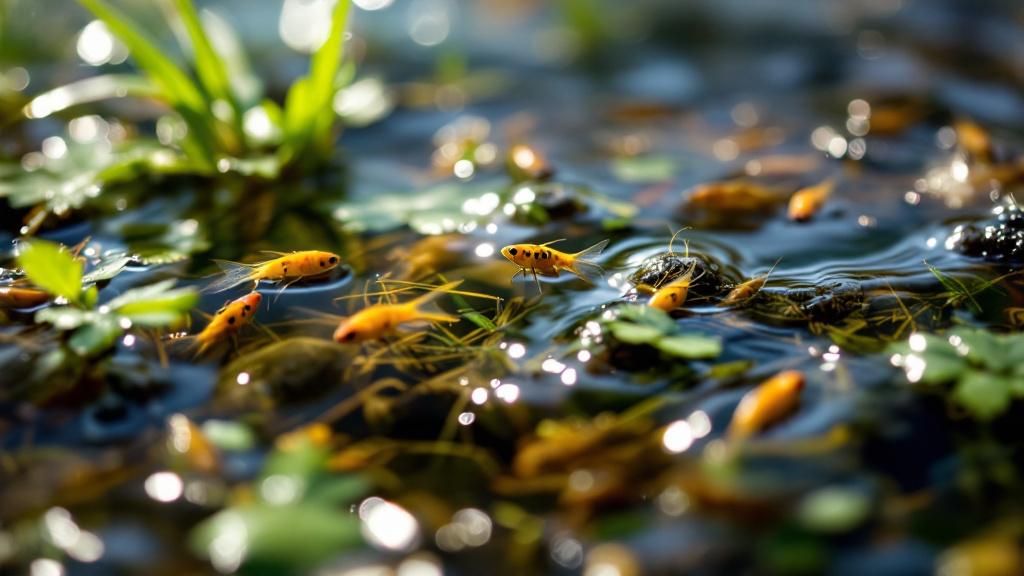
Toxic chemicals used in pet flea treatments are contaminating Welsh rivers at worrying rates, affecting wildlife nationwide, according to a recent research by Cardiff University researchers. The pesticides—imidacloprid and fipronil—were identified in more than 75 per cent of water samples collected from nine Welsh rivers, with just under half of urban locations exceeding safe levels. Scientists have attributed the contamination to spot-on treatments, which are applied to the back of pets’ necks, entering waterways via misconnected sewers and discharges from waste-water treatment plants. More than 3.5 million doses of these treatments are sold across the UK annually for the nation’s 23 million cats and dogs, prompting senior veterinarians to review their customary guidance to pet owners.
The scale of pollution in Welsh rivers and streams
The 36-month research project, carried out by Cardiff University’s Water Research Institute, analysed 62 different sampling locations throughout nine Welsh rivers to establish the scale of pesticide contamination. The findings uncovered a widespread problem that stretches far beyond individual cases, with both imidacloprid and fipronil—two insecticides banned for outdoor farming applications but still allowed in pet products—found in over three quarters of water samples tested. The scientific team used novel methods by screening for caffeine in addition to the flea treatments, becoming the first team to conclusively demonstrate a “down the drain” pathway through which these chemicals enter rivers. This breakthrough enabled scientists to differentiate between pollution from pets swimming in waterways and chemicals entering through household drainage networks.
The concentrations identified were notably troubling from an environmental perspective. Molly Hadley of Cardiff University’s Water Research Institute described the results as “quite staggering,” pointing out that the chemical levels were “ecologically significant and toxic enough to start harming river wildlife.” Around fifty percent of the samples collected in urban locations exceeded safe thresholds, indicating that the problem is not simply a case of background contamination but rather presents real threats to aquatic ecosystems. The continued presence of these substances in Welsh waterways reflects increasing evidence of comparable pollution trends across England, prompting increased attention to what has emerged as a major environmental issue across the United Kingdom.
- Imidacloprid and fipronil detected in over 75 per cent of samples
- Almost half of urban water samples went beyond acceptable contamination thresholds
- Chemicals banned for agriculture but extensively used in pet treatments
- Study spanning three years assessed 62 locations across nine Welsh rivers
Urban areas hit hardest of toxic contamination
The research revealed a distinct trend: contamination was substantially greater in cities and developed regions compared to countryside areas. This variation directly correlates with infrastructure challenges and sewage discharge patterns. Waterways receiving discharges from wastewater facilities and incorrectly connected drains showed substantially higher concentrations of pet treatment pesticides. The scientists determined that when pet owners shower their treated animals in shower facilities or launder their bedding, the pesticides reach domestic water systems and eventually flow to water bodies via various routes, including both conventional sewage networks and misconnected drainage networks.
The issue of sewer misconnections is widespread across the UK, with estimates suggesting that as many as 500,000 properties may have incorrectly plumbed appliances or bathrooms. These misconnections, frequently caused by extensions or DIY work, direct water intended for foul sewers into storm drains instead, creating an unintended pathway for contaminated household water to enter rivers. Welsh Water has acknowledged the findings but stated that the issue does not currently affect drinking water quality. However, the environmental implications for aquatic wildlife continue to be severe, prompting calls for greater awareness among pet owners regarding the wider impacts of routine flea treatments.
How pet medications end up in our rivers
The journey of flea treatment chemicals from domestic animals to Welsh rivers is considerably more straightforward than earlier believed. When pet owners administer spot-on treatments to their animals’ necks, the chemical liquids do not remain confined to fur and skin. Instead, they enter the water systems through routine domestic practices. Washing animals in showers, cleaning soiled bedding, or simply the gradual release of chemicals from animals’ coats all lead to pesticide-laden water entering domestic plumbing. From there, the chemicals pass through sewage networks and treatment facilities, ultimately reaching rivers and streams where they accumulate to harmful concentrations.
The scale of this contamination route is striking when examining the vast quantities of flea treatments applied annually across the UK. More than 3.5 million doses of topical products are distributed annually for the nation’s 23 million cats and dogs. Each application represents a likely pathway of imidacloprid or fipronil reaching water systems. What makes this particularly concerning is that these chemicals were intentionally prohibited for farming purposes in the UK due to their toxicity, yet they continue to be accessible for domestic pet use without adequate warnings about ecological impacts. The disconnect between farming regulations and pet product regulations has opened a regulatory gap through which millions of doses of prohibited chemicals reach our rivers each year.
The drainage route traced by researchers
Cardiff University’s research team achieved a major breakthrough by testing for caffeine alongside flea treatment chemicals, establishing the first definitive “down the drain” pathway. By identifying both chemicals together in water samples from rivers, scientists proved that domestic water with flea treatment residues was reaching waterways through household drainage infrastructure rather than solely through direct contact like pets entering river water. This approach constituted a major advance in understanding environmental contamination, moving beyond speculation to concrete evidence of how pet care products are transported through infrastructure into rivers and natural waterways.
- Caffeine studies showed residential water pathway to rivers
- Pet bathing and bedding wash introduce pollutants into drains
- Sewage treatment plants release contaminated water into rivers
Sewer misconnections compound the issue
The prevalent issue of sewer cross-connections greatly intensifies the flea treatment contamination problem across the UK. An projected 500,000 properties have incorrectly plumbed appliances or bathrooms, channelling water intended for foul sewers into surface drainage systems instead. These incorrect connections, frequently resulting from home extensions or amateur plumbing work, create unintended shortcuts for contaminated household water to bypass treatment facilities and reach rivers directly. In Welsh locations with high numbers of such misconnections, pesticide concentrations in waterways are considerably higher.
The combination of sewage discharge and sewer misconnections generates a perfect storm for aquatic pollution in urban areas. Whilst Welsh Water has confirmed that drinking water quality remains unaffected, the impacts for aquatic ecosystems are substantial. Fish and invertebrates exposed to these pesticide concentrations experience considerable damage, destabilising entire food webs and ecological communities. Addressing this dual-pathway contamination requires both upgrades to water management systems and greater public awareness of how routine pet care decisions ultimately affect river health and wildlife survival.
Severe consequences for river ecosystems and wildlife
The presence of imidacloprid and fipronil at toxic concentrations in rivers across Wales has sparked a cascade of ecological damage that extends far beyond individual fish populations. These insecticides of the neonicotinoid and phenylpyrazole classes designed to target nervous systems in parasitic insects, prove equally lethal to organisms living in water that underpin riverine food webs. Aquatic insects such as mayflies, caddisflies, and beetles—creatures that fish rely on for survival—are especially susceptible to even tiny amounts of these chemicals. The widespread contamination means that organisms throughout affected waterways face prolonged contact, resulting in neurological damage, reproductive failure, and population collapse across numerous species at the same time.
Scientists investigating Welsh rivers have recorded alarming declines in biodiversity correlated directly with pesticide concentrations. Stretches of water below sewage treatment plants and misconnected sewers show significantly lower species richness compared to uncontaminated control sites. The loss of invertebrate populations sets off knock-on consequences throughout the ecosystem, as predatory fish lose essential food sources and water quality worsens progressively. These ecological disruptions need extended periods to recover, even after pollution sources are eliminated, creating long-term consequences for Welsh river systems that will persist well into the future despite immediate remedial action.
| Affected species | Population decline |
|---|---|
| Mayflies | Up to 70% in contaminated zones |
| Caddisflies | Up to 65% in contaminated zones |
| Aquatic beetles | Up to 60% in contaminated zones |
| Freshwater fish species | Up to 50% in contaminated zones |
Why invertebrates remain vitally important
Aquatic invertebrates constitute the critical link between microscopic algae and larger fish predators in aquatic food chains. These organisms consume algae and organic matter, turning them into biomass that supports fish populations and other animal species. When pesticide contamination eliminates invertebrate communities, the whole food chain collapses from the bottom up, leaving fish populations without adequate food despite apparent abundance of water. The susceptibility of invertebrates to neonicotinoids and fiprole compounds makes them sentinel species of ecosystem health, and their significant decrease signals severe ecological damage.
The decline of invertebrate diversity has widespread impacts that spread throughout entire river ecosystems. Specialized species suited to distinct ecological niches disappear first, lowering genetic variation and ecosystem resilience. Fish that feed on specific invertebrate food sources become malnourished and prone to infection. Water conditions deteriorates as reduced numbers of organisms exist to break down nutrients and biological waste. Restoration of contaminated rivers requires not only stopping pollution inputs but also allowing invertebrate populations to restore themselves—a process that can span years to decades depending on contamination severity.
Updated veterinary recommendations on regular procedures
The concerning findings from Welsh rivers have prompted senior veterinarians across the UK to reassess their recommendations regarding routine flea treatments for pets. For several decades, spot-on products have been used as standard preventative care, with many vets advocating year-long use without considering specific pet needs. However, growing evidence of ecological pollution and ecosystem harm is forcing the profession to reassess whether one-size-fits-all advice for every animal remain justifiable. This shift constitutes a substantial change from established practice, indicating increasing awareness that the ease of standard medication must be weighed against their environmental consequences and potential harm to aquatic environments.
Professional veterinary bodies are now deliberating about how to reconcile pet health protection with environmental stewardship. The challenge lies in distinguishing between genuine medical necessity and routine use, particularly for household animals with minimal exposure to parasites. Senior veterinarians acknowledge that some animals require flea treatment due to health conditions or living circumstances, but question whether every pet needs year-round chemical protection. This balanced strategy requires more detailed discussion between vets and animal guardians, moving away from standardised protocols towards tailored care strategies that consider both animal welfare and broader ecological impacts.
- Risk evaluation should take into account pet living habits, indoor and outdoor exposure levels
- Seasonal treatment may be adequate for many pets instead of continuous year-round treatment
- Alternative chemical-free methods should be examined and reviewed with veterinarians
- Pet owners should be made aware about environmental impact of regular treatment
A risk-focused strategy for pet owners
Pet owners are growing encouraged to work with their veterinarians to develop customised flea control approaches rather than mechanically applying treatments on fixed schedules. This risk-assessment method identifies that indoor cats and dogs residing in urban flats face markedly different parasitic threats compared to animals living outdoors in countryside settings. By assessing individual circumstances—including season, local flea prevalence, animal conduct, and wellbeing—owners and vets can determine appropriate actions about when treatment is genuinely necessary. This collaborative process enables pet owners to engage actively in protecting the environment whilst preserving effective parasite protection for their animals.
The transition to risk-based treatment demands education and open dialogue between veterinary professionals and pet owners about actual flea dangers. Many pets may need intervention only in warmer periods when flea populations surge seasonally, rather than during winter months when transmission rates drop substantially. Some indoor-only animals may need minimal or no chemical treatment if kept in clean environments. By implementing this selective strategy, pet owners can markedly lower the amount of harmful substances polluting Welsh water systems whilst preserving their animals’ health and comfort through fitting, scientifically-informed parasite control tailored to genuine individual needs.
What must take place next to protect our rivers
The data from Cardiff University’s three-year study have triggered demands for urgent action at multiple levels to resolve the pollution emergency. Natural Resources Wales has committed to leveraging the findings to strengthen its river monitoring programmes and create focused pollution control measures across Welsh waterways. Meanwhile, water companies must step up action to locate and fix the roughly 500,000 sewage misconnections affecting properties across the UK, many resulting from poorly executed home extensions or inexperienced plumbing installations. These infrastructure improvements constitute a essential initial measure in stopping flea treatment products from completely avoiding treatment facilities and flowing directly into rivers.
Government decision makers are being encouraged to examine regulatory adjustments that could alter how flea treatments are produced, distributed, and administered within households. This might include more rigorous labelling standards warning consumers about ecological hazards, mandatory producer responsibility schemes, or controls on particular treatments in favour of safer alternatives. The Environment Agency and Defra are anticipated to integrate these findings into the national strategy introduced in 2025 to better understand and combat aquatic contamination from veterinary medicines. Joint effort across governing authorities, water companies, animal health experts, and informed pet owners will be crucial to reversing the alarming levels of harmful substances presently contaminating Welsh rivers.
- Correct misconnected sewers impacting hundreds of thousands of UK properties
- Enhance environmental monitoring and emissions reduction initiatives nationwide
- Implement stricter labelling and warning labels for flea treatments
- Establish regulatory frameworks supporting safer veterinary medicine alternatives
