
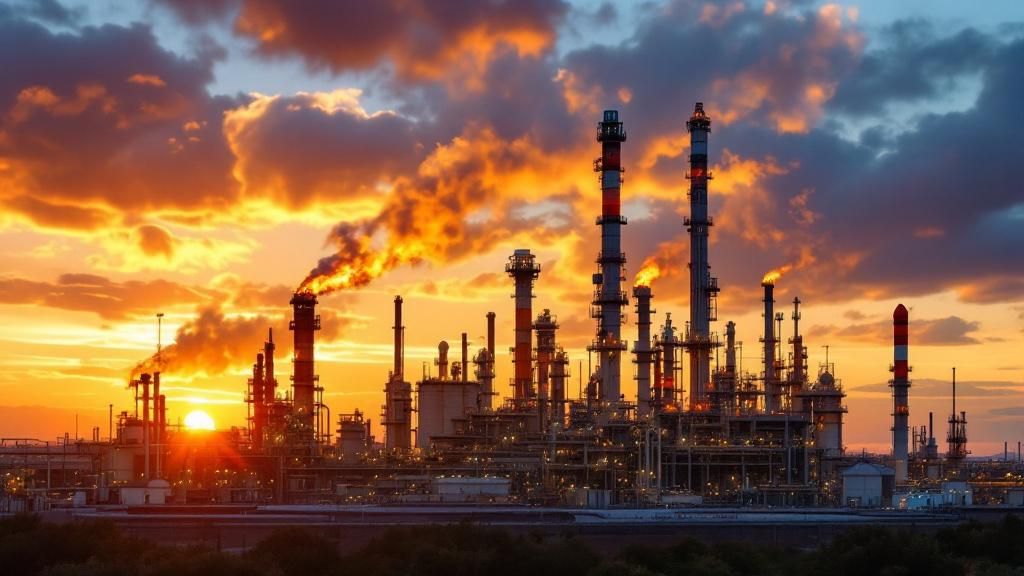
Global oil markets have experienced unprecedented volatility over the previous fortnight as Middle East tensions worsen, with prices moving dramatically between $82 and nearly $120 per barrel in what experts are calling the most unstable trading environment in history. The conflict has disrupted critical energy infrastructure and largely blocked the Strait of Hormuz, a essential shipping route carrying a fifth of the international petroleum reserves, sending Brent crude—the international benchmark used to price most global oil contracts—surging more than a third higher than pre-conflict levels. Sharp price movements have become routine, driven by conflicting signals from world leaders, emergency stockpile announcements, and concerns about sustained supply disruptions in the months ahead. The instability reflects what investment strategists describe as an “energy shock without modern precedent,” reshaping global energy costs and market confidence.
The Strait of Hormuz Becomes Ground Zero for Energy Emergency
The Strait of Hormuz has become the major focal point in the current energy crisis, with its practical shutdown triggering shockwaves throughout worldwide petroleum markets. This narrow waterway between Iran and Oman represents one of the world’s most strategically important chokepoints, handling the movement of approximately a fifth of all global oil supplies. The interference with maritime traffic through this essential passage has intensified supply concerns and fueled the dramatic price escalations witnessed over the last several weeks. Infrastructure harm from military strikes has compounded the crisis, causing traders and policymakers to be rushing to evaluate the true extent of supply weaknesses and recovery schedule.
The real-world consequences of the Strait’s closure go well past simple price mechanics, according to ex-BP chief Lord John Browne. The crisis encompasses complex logistics of pairing particular varieties of crude with suitable processing facilities worldwide, transforming what might appear as simple trading activity into genuine physical supply concerns. Companies are competing intensely to secure adequate supplies and avoid potential shortages. Recent diplomatic efforts, including a U.S. Energy Secretary announcement about safely guiding an oil tanker through the waterway, have offered short-term market stability but did not resolve persistent concerns about sustained access to this critical trade route.
- Strait of Hormuz handles approximately one-fifth of global oil supplies
- Airstrikes harmed energy infrastructure, disrupting maritime transport operations
- Distribution network disruptions demand aligning specific crude types to refineries
- Successful tanker escort provides short-term reprieve but long-term uncertainty persists
Unprecedented Price Movements Characterize Week of Trading
Oil markets saw historic turbulence during the last fourteen days, with price movements so severe that Monday has been characterized as the most volatile day of oil trading in history. The benchmark Brent crude price, which serves as the worldwide standard for international energy prices, has swung wildly in response to international events and policy announcements. Before the conflict began, oil was trading at approximately $71 per barrel, but prices rose dramatically as tensions escalated. The following price swings have been extraordinary even by commodity market standards, with movements happening in a matter of hours rather than days.
The volatility demonstrates significant concerns about upcoming oil availability and the length of the regional dispute. Financial experts note that the large share of oil trades involve contracts for future delivery, meaning present price shifts are shaped by fears of supply shortages in the near term. Remarks from international leaders have shown considerable sway in causing sudden reversals, highlighting how vulnerable oil markets are to policy announcements. The volatile price fluctuations have made oil a central subject in market reporting and public discourse, significantly altering perspectives regarding worldwide energy prices and economic stability.
Monday’s Historic Volatility
Monday experienced the most dramatic price movements in oil trading history, with Brent crude peaking at nearly $120 per barrel before falling by almost $30 in the same day. The early jump was driven by alarming statements from Qatar’s energy minister, who cautioned that all Gulf oil and gas exporters could cease operations within days. When markets resumed following the weekend, traders rushed to lock in inventory, pushing prices to two-year highs. However, the trend shifted sharply when reports surfaced regarding possible emergency reserve releases arranged by the International Energy Agency.
President Trump’s portrayal of the conflict as “very complete” created additional downward momentum, increasing confidence that military operations would not expand into prolonged hostilities. By Monday’s end, oil prices had plummeted from their morning peaks, showing the extreme responsiveness of energy markets to political events and supply disclosures. This sharp turnaround within hours illustrated the extraordinary turbulence affecting global oil markets. The price movements were so severe that market analysts had trouble explaining them using conventional volatility measures.
- Brent crude climbed to nearly $120 per barrel throughout Monday trading
- Price fell by roughly $30 from peak to close on the identical day
- Government remarks and supply announcements triggered sharp reversals
False Information and Government Actions Drive Erratic Markets
The volatility affecting oil markets has been intensified by conflicting signals from policy makers and policy announcements that have sent traders working to recalibrate supply projections. US Energy Secretary Chris Wright’s statement regarding successfully transporting an oil tanker through the Strait of Hormuz initially sparked positive sentiment toward keeping essential shipping routes, but the later removal of the post sparked confusion and doubt. Such mixed messaging from high-level officials has driven the whipsaw effect seen in price action, as investors attempt to differentiate between actual occurrences and miscommunications that could impact international energy availability.
The uncertainty of policy remarks has significantly changed how traders approach the market, with every remark from international policymakers now examined for its implications on market supply and demand. Former BP boss Lord John Browne stressed that beyond speculation, this constitutes real worries about real supply chain operations arriving at refineries with suitable crude varieties. The intersection of geopolitical pressures, policy announcements, and actual logistical obstacles has created an environment where markets respond dramatically to even small clarifications or revisions, increasing volatility well beyond typical patterns.
The Oil Tanker Shipping Confusion
A key moment of market confusion took place when US Energy Secretary Chris Wright discussed the safe passage of an oil tanker through the Strait of Hormuz, temporarily boosting confidence in shipping security. The taking down of this post triggered immediate market turbulence, as traders reevaluated what the retraction might suggest about actual conditions in the critical waterway. This event demonstrated how sensitive energy markets have grown toward official communications, with even administrative corrections able to producing major movements. The tanker situation illustrated the contrast of genuine supply concerns and the information vacuum that propels speculative trading.
Emergency Stockpile Release Framework
Reports of a joint strategic stockpile release by the International Energy Agency provided crucial relief to panicked markets during Monday’s trading session. The potential for additional oil supplies flowing into markets through emergency reserves helped reverse the steep rising price trajectory, illustrating the stabilizing effect of coordinated policy responses. This intervention signaled to traders that leading nations were positioned to manage supply interruptions through established frameworks, reducing fears of prolonged shortages.
The success of the emergency reserves approach in controlling price increases highlights the significance of timely policy coordination during energy crises. By signaling the possible deployment before physical release, authorities were able to influence market sentiment and prevent further escalation. However, the reliance upon such actions also reveals the severity of the supply issues propelling present instability, suggesting that fundamental market imbalances demand more than interim solutions to establish stability.
Why Brent Crude Affects Your Wallet
Brent crude acts as the international reference point for oil pricing, making it much more than just a commodity ticker tracked by energy traders. When contracts are drawn up to buy and sell oil globally, they typically cite Brent as the benchmark price. This means that changes in Brent’s value ripple directly through supply chains and eventually affect consumers at the petrol pump, in heating bills, and embedded in the cost of many items distributed internationally. The current unprecedented volatility in Brent pricing therefore has immediate, tangible consequences for household budgets and business operations in every market.
The vast majority of oil traded on world markets is actually purchased for delivery at later dates rather than spot market purchases, which means today’s price swings indicate market projections about supply levels in the months to follow. As Brent crude moved dramatically between $82 and close to $120 per barrel in recent days, forward contracts fixed these elevated prices for later delivery. This forward-looking mechanism guarantees that current geopolitical tensions lead to tomorrow’s energy costs, generating a ripple effect that influences everything from airline ticket prices to production costs to household heating budgets.
| Factor | Impact on Global Energy Costs |
|---|---|
| Strait of Hormuz Closure | Blocks one-fifth of global oil supplies, creating immediate scarcity premium and pushing prices higher across all markets |
| Air Strikes on Infrastructure | Damages production facilities and shipping routes, reducing available supply and forcing refineries to bid competitively for limited oil |
| Brent Benchmark Volatility | Direct correlation to fuel prices at pumps, heating costs, and transportation expenses embedded in consumer goods |
| Future Contracts Pricing | Locks in elevated costs for months ahead, ensuring sustained price pressures even if immediate tensions ease |
Uncertainty Looming as Conflict Intensifies
The oil market’s dramatic swings over the last two weeks highlight a fundamental truth: energy prices are now subject to geopolitical events unfolding in real time. Every comment by global officials, every military strike, and every political move prompts traders to review supply vulnerabilities. Qatar’s energy minister cautioned that Middle Eastern exporters could halt all oil and gas exports in coming days, a statement that propelled prices to highest levels in two years. In contrast, hints that the conflict could be limited or that emergency stockpiles might be tapped triggered sudden reversals. This acute responsiveness means the market remains acutely vulnerable to fresh escalation or sudden negotiation progress.
Looking ahead, the energy sector encounters what market analysts describe as an “energy shock without modern precedent.” The logistical difficulties extend far beyond surface-level price swings. BP’s former leader Lord John Browne emphasizes that this involves procuring the right grades of crude oil for specific refineries—a logistical puzzle that becomes exponentially harder when maritime passages face closure and manufacturing operations face damage. Physical supply constraints, not mere speculation, are propelling the bidding competition that has sent prices surging. Until the Middle East situation settles, international energy sectors will likely remain in a state of acute uncertainty, with firms and individuals bracing for sustained price pressures.
- Strait of Hormuz blockade disrupts vital shipping lane carrying one-fifth of worldwide supplies
- Military strikes damage power facilities and force refineries to vie intensely for limited crude
- Geopolitical statements from leaders trigger sudden price reversals within hours
- Forward contracts lock in higher costs for months, guaranteeing prolonged price pressures going forward
