
Environmental groups are stepping up efforts for tougher protections for England’s chalk streams, some of the world’s most uncommon freshwater habitats. The London Wildlife Trust is pushing to include chalk streams in the National Planning Policy Framework ahead of a public consultation closing date on Tuesday, maintaining they currently don’t have adequate safeguards. With 85% of the world’s chalk streams found in England—just 220 exist globally—the habitats are under increasing strain from pollution and water abstraction. The River Wandle in south-east London exemplifies both the environmental importance and challenges these streams face. While the government has promised £2 billion in water company investment and promised swift measures to revive chalk streams, campaigners say formal planning protections remain essential to preserve these unique ecosystems for future generations.
What Makes Chalk-Fed Waterways Remarkably Special
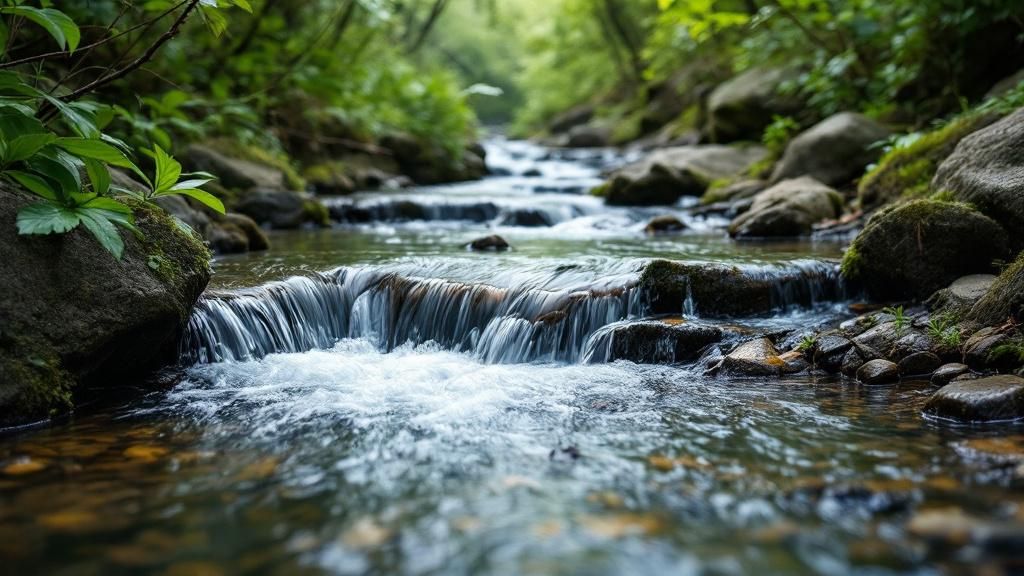
Chalk streams are geological marvels shaped by their unique terrain. They emerge from springs in chalk rock formations, which acts as a natural filter system, filtering out particles and producing the streams’ distinctive pristine waters. This filtration system, combined with their gravelly bottoms, creates an environment unlike any other freshwater habitat in the world. The River Wandle, flowing from chalky springs in Carshalton Ponds in south-east London, demonstrates these features—a transparent ribbon of water that exposes every stone and creature beneath its surface.
Beyond their striking appearance, chalk streams support remarkable species diversity and provide important leisure areas for communities. These ecosystems sustain specialized species including grey wagtails and kingfishers, while offering locals ways to interact with nature in city and countryside locations. Richard Barnes from the London Wildlife Trust emphasizes their international relevance, noting that 85% of the world’s chalk streams are found in England alone. This abundance makes England’s chalk streams an irreplaceable natural treasure with management duties that surpass national borders.
- Only 220 calcareous waterways are found worldwide, mostly in southern England
- Porous chalk bedrock effectively purifies water to exceptional clarity
- Support unique species including kingfishers and grey wagtails
- Provide vital ecological and recreational value to surrounding areas
The International Importance of England’s Water Resources
England’s chalk streams represent an remarkable assemblage of the world’s rarest freshwater habitats, making the nation a steward of irreplaceable ecological resources. With 85% of all chalk streams globally located within England’s borders, primarily across southern regions, the country holds unparalleled responsibility for safeguarding these fragile environments. This geographical concentration means that decisions made in English environmental and planning decisions have implications extending far beyond national boundaries. The damage or decline of even a single chalk stream diminishes global biodiversity and removes habitats that cannot be recreated elsewhere, underscoring why global conservation standards must inform community-level conservation efforts.
The global research community acknowledges chalk streams as exceptionally important for studying freshwater ecology and climate resilience. These streams’ ability to sustain stable water temperatures and outstanding water quality through chalk-based natural filtration offers insights relevant for water management challenges worldwide. As climate change threatens freshwater resources globally, England’s chalk streams serve as living laboratories for studying adaptation and restoration techniques. Their protection is not merely a domestic environmental concern but a contribution to worldwide understanding about environmentally responsible water stewardship and ecosystem conservation that benefits scientific understanding across continents.
Why These Waterways Matter Worldwide
Chalk streams demonstrate nature’s engineering excellence, illustrating the way geological processes create self-regulating purification systems that produce water of exceptional purity. Their limited global distribution—only 220 exist worldwide—makes them scientifically invaluable for researchers examining pure freshwater habitats. Global environmental protection groups consider these spaces priorities for preservation, similar in importance to tropical rainforests or coral reefs in their environmental distinctiveness. The loss of chalk streams would destroy unique species and ecosystems and deprive humanity of environmental networks developed through countless generations to achieve optimal ecological equilibrium.
Beyond research value, chalk streams possess cultural and recreational significance that extends internationally. These clear waters draw visitors, support conventional angling traditions, and inspire conservation movements across borders. Their beauty and ecological integrity make them advocates for freshwater conservation, demonstrating to global audiences why unspoiled water ecosystems deserve protection. England’s management of these streams influences worldwide perspectives toward environmental protection and water conservation, positioning the nation as a leader in recognizing and safeguarding irreplaceable natural resources.
Existing Security Risks and Legal Safeguard Shortfalls
England’s chalk streams face increasing threats from multiple directions, yet their regulatory safeguards remain insufficient compared to other rare habitats. Water abstraction for supply systems drains these streams, while sewage spills and farming-related contamination undermine their pure water standards. Pollution episodes, particularly from storm overflow releases during heavy rainfall, threaten the fragile environmental systems that are dependent on the streams’ distinctive purity and stability. The London Wildlife Trust maintains that without tougher legal protections, these unique ecosystems will remain in decline despite preservation initiatives. Current planning frameworks overlook chalk streams as the globally significant ecological resources they constitute, leaving them exposed to expansion and decline.
Environmental groups maintain that chalk streams deserve the same level of protection afforded to other acknowledged irreplaceable habitats. The National Planning Policy Framework currently provides protections for ancient woodland and limestone pavements, yet chalk streams remain absent from this essential designation. This omission creates a significant legal vulnerability, as developments can proceed without adequate consideration of chalk stream conservation. Richard Barnes from the London Wildlife Trust stresses that addition to the National Planning Policy Framework would offer essential measures, guaranteeing future planning decisions take into account these habitats’ remarkable worldwide importance and irreplaceable ecological value.
- Water abstraction systems reduce chalk streams of critical water volumes
- Sewage spills and storm discharges release pollutants during rainfall events
- Agricultural drainage damages water quality and sediment stability
- Development activities endanger riparian zones and surrounding ecosystems
- Climate change alters water availability and temperature stability patterns
Assessing Safety Standards
| Habitat Type | Current Legal Status |
|---|---|
| Chalk Streams | No specific protection in National Planning Policy Framework |
| Ancient Woodland | Designated irreplaceable habitat with planning protections |
| Limestone Pavements | Designated irreplaceable habitat with planning protections |
| Other Freshwater Habitats | Variable protections depending on designation type |
Government Action and Business Commitments
The Defra has acknowledged the urgency of chalk stream protection, committing to what it calls a “once-in-a-generation” reform to the water sector. The administration has committed to immediate action aimed at restoring and cleaning these vulnerable habitats. A Defra official stated that £2 billion of water company investment has been allocated across five years dedicated to restore chalk streams. Additionally, the government is improving the water abstraction licensing framework, which regulates how much water can be removed from these delicate ecosystems, tackling one of the primary threats to their survival and ecological integrity.
Water companies active across England’s chalk stream regions are now deploying major infrastructure enhancements to support conservation objectives. These initiatives demonstrate a notable shift in industry priorities, stepping past basic regulatory compliance toward proactive ecosystem restoration. The collaborative strategy between government bodies and private water utilities reflects heightened understanding of chalk streams’ exceptional value. However, environmental campaigners argue that these investments, while welcome, must be accompanied by enhanced legal protections within the planning framework to ensure long-term sustainability and prevent future deterioration of these unique habitats.
Thames Water’s Recovery Program
Thames Water, the major water company operating in London and the southeast, has committed to delivering what it describes as the most significant upgrade to its sewage infrastructure in 150 years. Over the next five years, the company’s programme will enhance treatment capacity and decrease storm releases during heavy rain conditions. The initiative also encompasses the introduction of new nutrient control initiatives across the region, which will help enhance water standards in chalk streams that have been affected by contamination and excessive nutrient levels. These upgrades demonstrate a major financial and operational commitment to addressing long-standing environmental challenges.
The River Wandle, an urban chalk stream in south London facing multiple pollution challenges, is receiving particular attention from Thames Water’s rehabilitation work. The company is advancing a fish passage project at Goatbridge to allow migratory fish species to move through the river more successfully. Additionally, Thames Water is developing further fish-passage and river-restoration projects in Beddington Park, partnering with conservation organizations to enhance habitat conditions. These focused initiatives aim to enhance both the ecological function and recreational value of this significant London river.
- Expanding wastewater treatment capacity in the network region
- Minimizing storm discharge events via infrastructure upgrades
- Deploying migration barriers to improve species migration
- Creating river restoration initiatives alongside environmental organizations
What Campaigners Are Demanding Now
Environmental advocates are ramping up calls for chalk streams to receive formal recognition and statutory safeguards comparable to other irreplaceable habitats. The London Wildlife Trust is urging the government to incorporate chalk streams in the National Planning Policy Framework, which is currently open for public consultation until 10 March. This designation would put chalk streams on equal standing with already-protected habitats such as old-growth forests and limestone pavements. Richard Barnes from the London Wildlife Trust highlights that this safeguard is crucial given England’s singular position as location of 85% of the world’s chalk streams—a characteristic that carries both conservation and scientific significance.
The campaigners contend that existing safeguards are inadequate to protect these exceptional ecosystems from ongoing decline. By gaining inclusion in the National Planning Policy Framework, chalk streams would gain stronger defenses against environmental damage and construction impacts. This framework shapes planning decisions across England, meaning inclusion would provide comprehensive protection across all chalk stream locations. Environmental groups argue that without such official status, restoration efforts and corporate funding, while valuable, cannot guarantee the long-term survival of these exceptional ecosystems. The public engagement window represents a vital opportunity for stakeholder feedback on this conservation matter.
The Path Forward
The alignment of public funding pledges and campaigner advocacy suggests a critical juncture for chalk stream conservation. Defra’s commitment of £2 billion in water company investment over five years underscores official recognition of the emergency, while the National Planning Policy Framework consultation provides a mechanism for lasting legal protection. Success will require both ongoing investment for restoration projects and the legal framework that stops future degradation. With the submission period drawing near, environmental organizations are mobilizing public support to secure chalk streams gain the protected status they argue these internationally important rivers deserve.
