
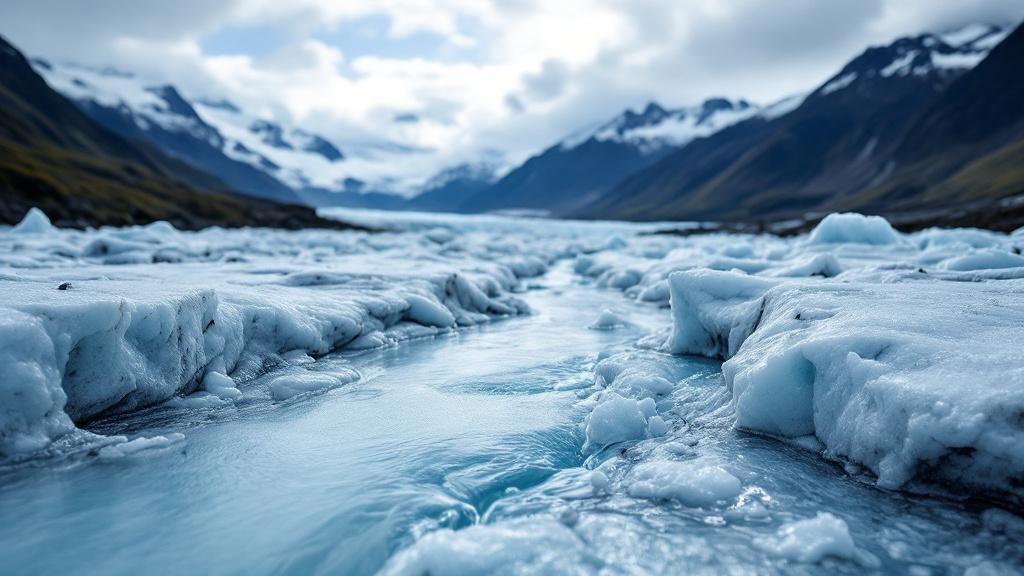
The Earth’s climate has reached a precarious turning point, with the planet now storing more thermal energy than at any time in documented records, the United Nations has stated. The World Meteorological Organization says the planet is gaining significantly more heat than it can release into space, driven by emissions of greenhouse gases such as carbon dioxide from anthropogenic sources. This unprecedented “energy imbalance” elevated worldwide ocean temperatures to record highs last year and accelerated the melting of ice at the poles and glaciers. Scientists have expressed particular concern that El Niño, a natural warming phase anticipated to start later this year, could trigger further temperature records. The results prompted UN Secretary General António Guterres to encourage governments to abandon fossil fuels and transition urgently to renewable energy sources.
Record Energy Imbalance Transforms Global Climate
The Earth’s energy imbalance—the difference between heat energy coming from the sun and heat emitted into space—has attained record levels, according to the World Meteorological Organization. This core indicator of climate disruption essentially determines all aspects of planetary warming, from elevated temperatures to ice melt and shifting weather patterns. Scientists stay committed to understanding precisely why the planet has built up such significant quantities of excess heat over the previous decade, though they hold firm conviction that greenhouse gases that trap heat are the cause of this dangerous imbalance.
More than 90 per cent of this trapped energy is absorbed by the world’s oceans, with the upper 2 kilometres of seawater reaching record heat levels last year. This oceanic warming poses serious risks for marine ecosystems, intensifies storms and drives rising sea levels that endanger coastal communities worldwide. Meanwhile, atmospheric carbon dioxide concentrations have reached their highest levels in at least two million years, caused solely through human activities including burning of fossil fuels and industrial processes.
- Global glaciers recorded one of their five worst years on record in 2024/25
- Sea ice at both polar regions remained at or near historic lows throughout 2025
- The last 11 years rank as the warmest on record since 1850
- Global temperatures now rest 1.43°C above pre-industrial levels from human-caused emissions
Sea Temperature Attains Unprecedented Levels
The world’s oceans have soaked up record quantities of heat energy, with readings from the first 2 kilometres of seawater setting new records in the past year. This accumulation indicates a critical indicator of Earth’s thermal imbalance, as over 90 percent of the planet’s excess heat enters marine systems rather than warming the atmosphere or land. Scientists link this occurrence directly to increasing levels of greenhouse gases, which prevent heat from escaping back into space. The persistent heating of ocean waters fundamentally alters marine chemical processes and circulation systems that have persisted relatively unchanged for millennia.
The heat stored within the oceans acts as a massive heat reservoir, moderating worldwide temperature levels and shaping climate conditions around the world. However, this stabilising effect involves significant damage to marine life and aquatic environments. The prolonged temperature rise recorded in recent months comes after a decade of mounting ocean heat absorption, propelled consistently by anthropogenic emissions. Scientists warn that without urgent reductions in fossil fuel consumption, ocean temperatures will continue climbing, causing cascading effects throughout the global ocean systems and threatening the economic survival of millions worldwide reliant upon productive marine ecosystems.
Marine Consequences and Wider Ramifications
Warming oceans adversely affect marine ecosystems by modifying environments, interfering with migration cycles and reducing oxygen levels in deeper waters. Fish populations face unprecedented stress as species struggle to adapt to rapidly changing thermal conditions, whilst coral reefs bleach at accelerating rates. The heating also intensifies extreme weather systems, generating more powerful hurricanes and typhoons that ravage coastal areas. Additionally, ocean warming contributes substantially to rising sea levels as warming water increases in volume, threatening low-lying nations and densely populated coastal cities worldwide with submersion and population movement.
Beyond immediate marine impacts, warming oceans affect global food security and economic stability. Industrial fishing operations encounter falling catch volumes as stocks migrate or collapse, whilst fish farming businesses struggle with disease outbreaks worsened by temperature stress. Seaside populations reliant on fishing or tourism activities face fundamental risks from both ecological collapse and rising waters. The World Meteorological Organization’s findings underscore that addressing ocean heating requires immediate, decisive action to lower CO2 emissions through comprehensive shift from fossil fuels to renewable energy.
El Niño Threat Emerges
Scientists have voiced new worries about the onset of El Niño later this year, a naturally occurring warm period that could drive global temperatures to record highs. The World Meteorological Organization cautions that this cyclical climate pattern, which alternates with the cooler La Niña period, typically amplifies existing temperature increases by diminishing the planet’s ability to dissipate built-up thermal energy. Given that 2024 already set records as one of the warmest years on record, in part because of El Niño’s influence, meteorologists worry the next event could shatter current temperature benchmarks and spark widespread environmental impacts across vulnerable regions worldwide.
The scheduling of El Niño’s anticipated arrival presents a pivotal moment for climate action. Whilst 2025 enjoyed temporary cooling thanks to the persistent La Niña conditions, this respite will disappear once El Niño takes hold, risking the loss of any apparent progress in temperature stabilisation. UN officials emphasise that this climatic event underscores the pressing need for transitioning away from fossil fuels immediately. Without substantial reductions in greenhouse gas emissions before El Niño emerges, the world risks repeatedly shattering temperature records, intensifying droughts, flooding and humanitarian crises across susceptible populations.
| Climate Phase | Expected Temperature Effect |
|---|---|
| El Niño | Amplifies global warming, typically raising temperatures above baseline levels |
| La Niña | Provides temporary cooling effect, moderating overall temperature increases |
| Neutral Phase | Neither amplifies nor suppresses warming, reflects underlying climate trend |
Extreme Weather Events Intensify Worldwide
The intensifying energy imbalance is already appearing in more extreme weather patterns across the globe. Scientists ascribe the strengthening of storms, floods and droughts to the excess heat building up in Earth’s oceans and atmosphere. Over 90 per cent of the additional energy captured by greenhouse gases is absorbed by the world’s oceans, substantially changing marine ecosystems and weather systems that require stable ocean temperatures. This oceanic heat absorption drives more intense hurricanes, prolonged heatwaves and erratic precipitation patterns that severely impact agricultural regions and uproot vulnerable populations.
The effects stretch well past short-term inconvenience, jeopardising critical infrastructure and food supply security globally. Melting ice caps and glaciers lead to higher ocean levels, placing at risk communities along the coast and island nations. The World Meteorological Organization notes that glaciers recorded one of their five worst years on record during 2024-25, whilst sea ice at both poles stayed at or near record low levels throughout 2025. These interconnected environmental transformations generate mounting crises that demand immediate global action on reducing emissions.
- Increasing ocean heat levels amplify hurricane intensity and occurrence globally
- Melting glaciers and polar ice speed up coastal flooding threatening coastal populations
- Extreme heat and rainfall variations disrupt agriculture and water supplies
Immediate Call for Moving Away from Fossil Fuels
In response to the World Meteorological Organization’s concerning findings, UN Secretary General António Guterres has intensified calls for immediate global action on climate change. He emphasised that countries must speed up the shift away from fossil fuels toward renewable energy sources to address the linked challenges of climate security, energy security and national security. Guterres warned in a video address that “Planet Earth is being pushed beyond its limits” and that “every key climate indicator is flashing red,” underscoring the critical importance of the moment. His message demonstrates growing consensus among global leaders that gradual steps are no longer sufficient.
The research findings supporting this transition is incontestable. Carbon dioxide levels in the atmosphere have reached their peak levels in at least two million years, driven entirely by human activities such as burning fossil fuels. Scientists remain adamant that these greenhouse gases that trap heat are the root cause of Earth’s perilous energy disequilibrium, which ultimately generates all documented climate effects. Without a substantial change in worldwide energy infrastructure, temperatures will continue rising and extreme weather events will intensify, threatening financial security and human wellbeing across all nations.
