
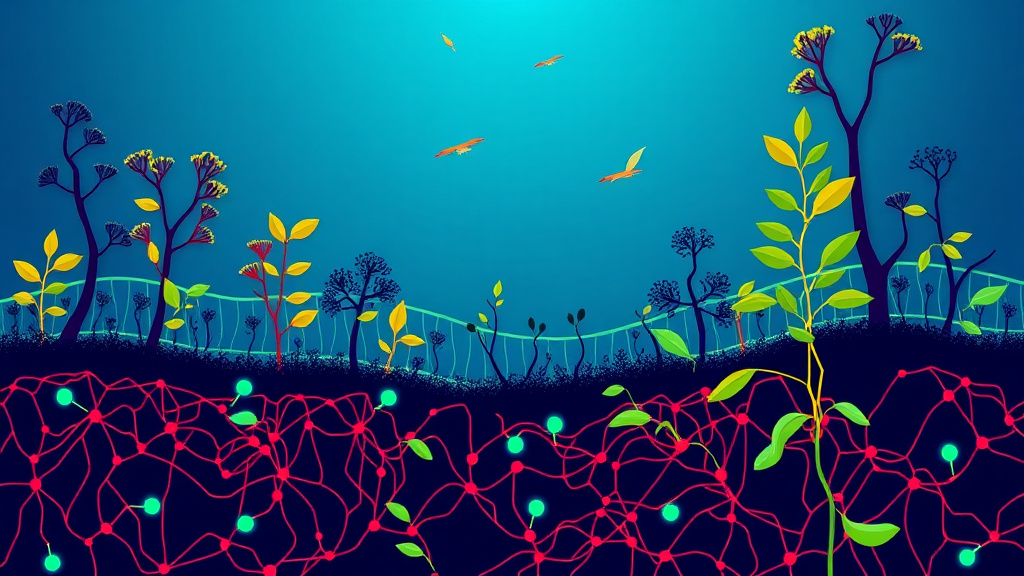
Beneath the forest floor lies a concealed world of botanical conversation. Scientists have long suspected that plants interact through soil-based systems, but latest pioneering research finally uncovers how. These discoveries expose the complex mechanisms plants use to exchange resources, alert to threats, and synchronize survival strategies through fungal networks and chemical signals. This article investigates the latest findings that challenge our comprehension of plant intelligence and reshape how we view the nature’s most silent yet complex information networks.
The Fungal Network System: The Natural Web
Beneath the soil surface, a complex fungal network joining plant roots in ways scientists are gradually learning more about. These fungal networks, composed of threadlike fungal filaments known as hyphae, create underground pathways linking individual plants into a connected structure. Researchers now understand this network works in a manner comparable to the internet, allowing plants to share resources, information, and chemical signals over long distances. This biological infrastructure fundamentally challenges our view of plants as independent beings, showing rather an linked system participating in ongoing exchange and collaboration.
The fungal partners in these networks obtain carbohydrates from plant photosynthesis while delivering to plants better nutrient assimilation and water access. Recent studies show that plants utilize these fungal highways to transport nitrogen, phosphorus, and carbon compounds to adjacent plants, particularly those facing challenges or nutrient deficiency. This mutualistic relationship represents one of nature’s most elegant solutions for resource distribution, allowing forests to function as unified systems rather than individual organisms competing for survival.
Chemical Signals and Nutrient Exchange
Plants orchestrate their underground communication through an intricate system of chemical signals conveyed through fungal networks. These biochemical couriers allow plants to communicate essential knowledge about nutrient levels, insect attacks, and climate challenges with adjacent vegetation. Recent investigations demonstrates that plants actively regulate these chemical exchanges, adjusting signal strength based on the receiver’s requirements and their own available resources, revealing a level of plant complexity long underappreciated by scientists.
How Plants Distribute Resources
The fungal networks linking plant roots serve as biological highways for nutrient transport. Fungi establish symbiotic relationships with plants, extending their root networks and facilitating the movement of nitrogen, phosphorus, and other essential minerals. In exchange, plants provide fungi with carbohydrates generated by photosynthesis. This reciprocal arrangement allows plants to access resources from distant locations, effectively establishing a shared nutrient pool across forest systems and demonstrating remarkable cooperative behavior.
Plants display striking selectivity in their nutritional symbiotic relationships, prioritizing stressed or younger plants while potentially reducing resources to competing organisms. Through molecular messaging, plants convey their nutrient condition to fungal partners and neighboring plants, creating fluid nutrient distribution systems. Studies reveal that mature plants can even transfer carbon reserves to young plants of their own species, implying plants distinguish family members and emphasize offspring survival—a discovery that fundamentally challenges conventional understanding of plant conduct and rivalry.
- Fungal networks move essential minerals underground
- Plants trade carbohydrates for mineral nutrients with fungi
- Molecular messengers control nutrient distribution and allocation patterns
- Mycorrhizal associations enhance root penetration and efficiency
- Plants selectively support stressed or related plant neighbors
Impact on Agricultural Systems and Ecosystems
Understanding plant interaction systems through subterranean fungal connections opens groundbreaking potential for eco-friendly agricultural practices. By utilizing these biological systems, farmers can maximize agricultural output while decreasing reliance on synthetic fertilizers. This knowledge facilitates data-driven cultivation methods that work with nature’s established communication pathways, possibly reshaping how we cultivate food and maintain soil vitality for future generations.
The environmental implications go well past farming practices. Recognizing plants’ linked signaling networks fundamentally shifts our protective methods and environmental stewardship practices. Preserving these belowground connections becomes essential for preserving species variety, strengthening forest adaptability, and addressing climate change. This study underscores that thriving ecological systems depend on protecting the invisible threads joining plant groups.
