
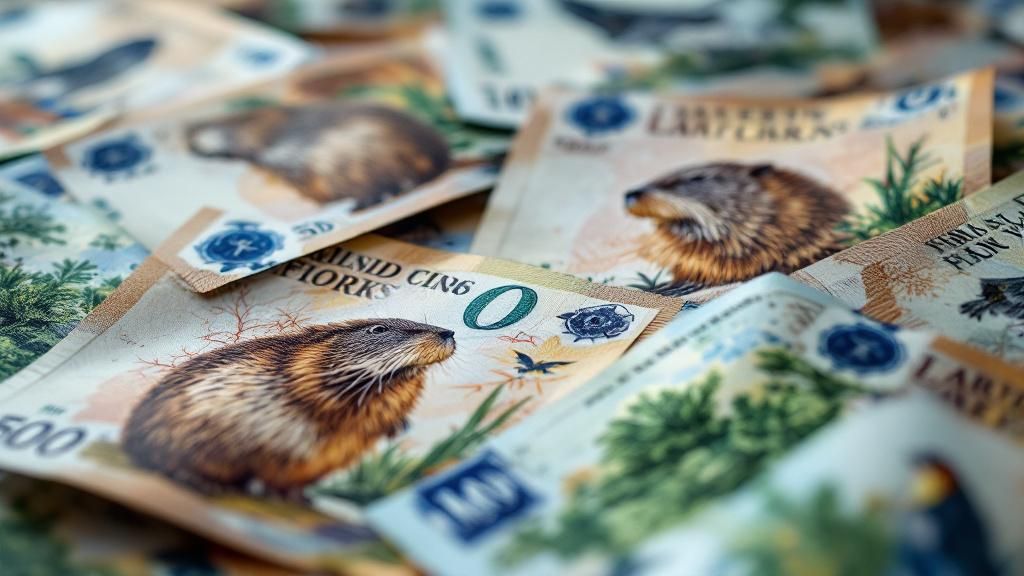
The Bank of England has announced plans to replace historical figures such as Sir Winston Churchill and Jane Austen with indigenous UK animals on its next generation of banknotes, triggering a fierce backlash from senior politicians. The decision, announced Wednesday following community feedback, will see wildlife featured on the £5, £10, £20 and £50 notes beginning with the next series. Whilst the Bank has framed the move primarily as an security initiative, leading political figures have criticised it as misguided. Reform leader Nigel Farage described the plan “absolutely crackers”, whilst Conservative leader Kemi Badenoch called it “a silly thing to do”. Notably, Churchill’s own granddaughter has voiced backing for the change, suggesting her grandfather’s image need not remain on the currency indefinitely.
The Move from Churchill to Creatures
The substitution of notable personalities on British banknotes marks a significant departure from nearly five decades of tradition. Since 1970, the reverse sides notes have featured prominent British figures, starting with William Shakespeare. The notes in circulation includes Sir Winston Churchill on the £5 note, writer Jane Austen on the £10, artist JMW Turner on the £20, and mathematician Alan Turing on the £50. The Bank of England’s decision to remove these portraits in place of wildlife constitutes the largest overhaul of the banknotes in modern times, though the specific animals have yet to be confirmed.
The Bank has justified the transition primarily as a necessary anti-counterfeiting measure, noting that historical figures must ultimately be removed to maintain security features on banknotes. However, this technical rationale has scarcely reduced the public controversy. The removal of Churchill has proved particularly contentious, with senior politicians expressing concern about removing British history from everyday currency. Interestingly, public opinion appears less unified than political commentary suggests, with polling data revealing considerable backing for nature-themed notes across various population groups, contradicting the narrative of unanimous disapproval.
- Churchill shown on current £5 notes from his introduction in 2016
- Jane Austen featured on £10 notes after her 2017 appearance
- JMW Turner and Alan Turing round out the current historical lineup
- Animal candidates to be picked after additional consultation with the public
Political Outcry and Popular Sentiment
The Bank of England’s announcement has sparked an unusually fierce backlash from all political quarters, with leading politicians condemning the decision as ill-advised and historically harmful. Conservative leader Kemi Badenoch labelled the decision as “erasing our history” and termed it “a silly thing to do”, whilst Reform’s Nigel Farage dismissed the proposal as “absolutely crackers”. Even Liberal Democrat leader Sir Ed Davey made his position clear, questioning the timing of such a change in light of geopolitical instability in Europe. The intensity of political opposition has created the impression of widespread public opposition, with politicians presenting the wildlife redesign as a threat to British history and national character.
Yet beneath the headlines, the picture appears considerably more layered. Interestingly, Churchill’s own granddaughter, Emma Soames, has endorsed replacing her grandfather’s image, noting she never expected it to continue adorning the banknote indefinitely. When asked about a potential badger replacement, she remarked that either would be welcome, provided the substitute animal embodied courage and bravery. This surprising backing from within the Churchill family has to some extent challenged the narrative of unanimous opposition, suggesting that popular feeling may be better disposed towards change than politicians’ statements implies. The Bank’s insistence that it is responding to public consultation reinforces this interpretation.
Polling Data Insights
A YouGov poll carried out in July involving over 5,000 respondents reveals a strikingly different picture from the political outcry. The data demonstrates substantial cross-party support for nature-themed banknotes, particularly among Liberal Democrat voters. Whilst political figures have captured headlines with their objections, the polling evidence suggests considerable proportions of Conservative and Reform supporters also support the nature redesign. The figures indicate that public sentiment is truly split on the matter, with support for historical figures and wildlife designs running remarkably close in several electoral demographics, contradicting the impression of sweeping public disapproval created by political commentary.
| Political Group | Support Historical Figures % | Support Nature % |
|---|---|---|
| Liberal Democrats | 19 | 34 |
| Conservative | 30 | 26 |
| Reform | 30 | 25 |
| Labour | Data not specified | Data not specified |
The Counterfeit Prevention Case
Beneath the political spectacle lies a practical rationale that the Bank of England has continually highlighted throughout the controversy. The institution has stressed that the decision to substitute historical figures with British wildlife is essentially propelled by security considerations and counterfeiting prevention. Modern banknote design requires regular updates to incorporate cutting-edge security features that outpace increasingly sophisticated counterfeiting techniques. Wildlife imagery, the Bank argues, enables creative design possibilities that are significantly more challenging to replicate, thereby preserving the integrity of British currency and safeguarding the public from fraud.
This security-first approach represents standard practice among central banks worldwide, which regularly update their currency designs to preserve the effectiveness of counterfeiting prevention measures. The Bank has indicated that historical personalities like Churchill would eventually require replacement regardless of public preference, merely because existing security features become vulnerable to developments in printing technology. By presenting the redesign as a necessary security upgrade rather than a cultural statement, the Bank establishes itself as prioritising practical concerns over heritage concerns. This account has largely been eclipsed by the political uproar, yet it remains fundamental to understanding the institution’s decision-making process.
- Contemporary forgery techniques require regular updates to currency protection measures
- Wildlife designs offer creative design features harder to forge effectively
- Monetary authorities routinely refresh currency imagery to combat evolving counterfeiting threats
Recognising Overlooked Animals
Amidst the ongoing controversy, an surprising voice has emerged to champion the wildlife redesign: the RSPCA. The animal protection body has seized the opportunity to push for some of Britain’s most unfairly criticised creatures, contending that banknotes provide a platform to transform public views on species often unjustly portrayed negatively. Rather than concentrating on charismatic megafauna, the RSPCA has made a compelling case for representing pigeons, rats and gulls—animals that live in our cities yet seldom get acknowledged for their intelligence, resilience and contributions to their ecosystems.
The RSPCA’s intervention highlights a wider cultural change towards valuing biodiversity in surprising ways. By highlighting rats’ exceptional ability to identify illnesses and find landmines, the organisation challenges long-held prejudices against creatures generally seen with revulsion and apprehension. Similarly, pigeons and gulls display remarkable ability to solve problems and adaptability to modern environments. The organisation’s participation transforms the banknote redesign from a simple security measure into an chance for public education, potentially shifting attitudes towards species that share our cities but stay largely unseen in our shared awareness.
RSPCA’s Unexpected Heroes
The RSPCA’s submission to the Bank of England illustrates that the wildlife redesign does not need to celebrate only conventionally “attractive” species. By nominating rats, pigeons and gulls, the organization argues these animals exhibit qualities worthy of national recognition. Rats’ ability to detecting explosives and disease, combined with their intelligence and social structures, positions them as undervalued participants in human welfare. The RSPCA’s intervention suggests that banknotes could fulfil two functions: maintaining security whilst simultaneously promoting greater appreciation for Britain’s often-overlooked urban wildlife.
Social Media Spectacle and What Comes Next
The Bank of England’s announcement has ignited a firestorm across social media, with the public split into those backing the wildlife redesign and traditionalists mourning the removal of historical figures. Conservative politicians have dominated the discourse, with Nigel Farage’s assessment of the plans as “absolutely crackers” proving notably widespread. However, polling data suggests public opinion is considerably more complex than the political backlash implies, with considerable endorsement for wildlife-based banknotes cutting across party lines. The controversy has unintentionally propelled the redesign into the public consciousness, creating substantially more public awareness than a standard currency redesign might ordinarily achieve.
The Bank of England has announced that a curated selection of particular animals will be chosen before wider public consultation is undertaken, meaning the final designs remain unresolved. This step-by-step process offers an prospect for the debate to mature beyond headline-grabbing soundbites towards meaningful debate about what creatures most symbolise British wildlife legacy. Churchill’s granddaughter, Emma Soames, has distinctly adopted a conciliatory tone, suggesting that a sufficiently brave and courageous animal could serve as a fitting successor to the wartime Prime Minister. As the consultation process moves forward, the Bank faces the sensitive challenge of maintaining heritage whilst embracing modernisation whilst navigating expectations across a deeply divided political terrain.
