
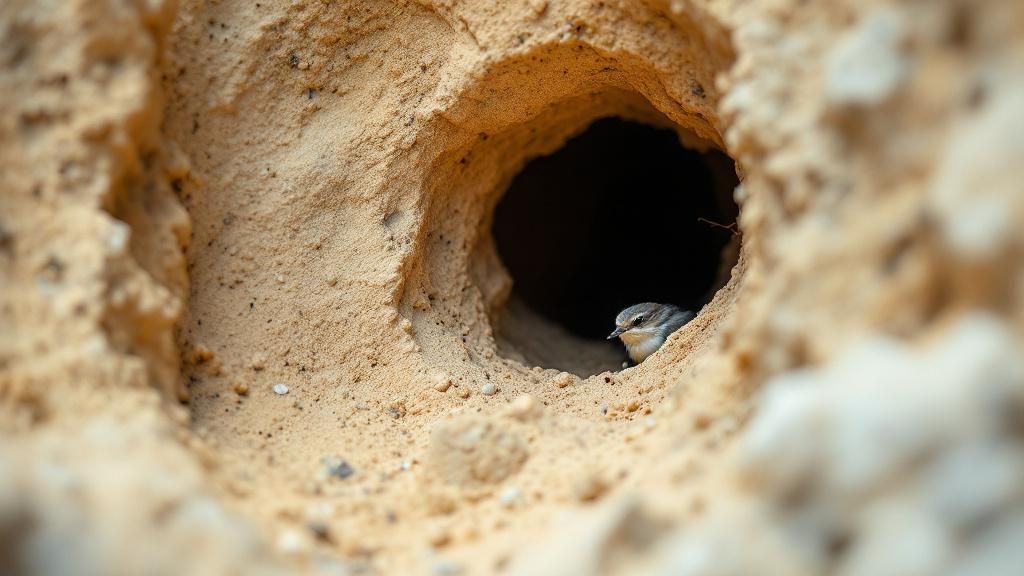
Sand martins arriving in Hampshire this spring will find custom-built burrows ready at Testwood Lakes Nature Reserve. The purpose-designed structures demonstrate a significant conservation initiative to secure the lasting future of these summer visitors at the site. As the small migratory birds prepare for their seasonal arrival, the reserve has finished work of the purpose-built breeding facilities, which closely mimic the natural burrows these birds normally dig in sandy riverbanks and cliffs. The initiative underscores growing efforts to protect sand martin populations during their critical nesting season, offering the birds safe, reliable nesting grounds as they return from their African winter grounds.
Preparing for Seasonal Arrivals
Testwood Lakes Nature Reserve has undertaken meticulous preparations to welcome sand martins back to Hampshire as the spring season begins. The reserve’s team has meticulously built and placed the custom burrows throughout the site, ensuring they are ready for the birds’ upcoming arrival from their seasonal migration. Each structure has been designed with precision to recreate the natural environment sand martins seek when creating nesting colonies. The burrows are carefully positioned to improve protection and accessibility, taking into account the birds’ particular breeding needs and behavioral patterns the breeding season.
The timing of these preparations is vital, as sand martins usually return to their breeding sites in late spring after passing the cold season in Africa. By having the burrows finished and situated well in advance, the reserve guarantees that returning populations will have immediate access to appropriate breeding sites without postponement. This proactive approach reduces pressure on the birds and boosts the chances of successful breeding. The reserve’s commitment to preparation reflects a wider recognition that habitat preparedness directly influences the persistence and reproductive performance of these vulnerable migratory species.
- Custom-built burrows engineered to mimic natural sand martin nesting sites
- Strategic positioning throughout reserve enhances bird safety and accessibility
- Structures finished before spring arrival of migratory populations
- Initiative promotes long-term population stability and breeding success
The Challenge of Loss of Habitat
Sand martins encounter significant difficulties as their natural habitats progressively vanish across the UK. Erosion of riverbanks, seaside expansion, and shifts in habitat management have substantially decreased the access to proper nesting areas where these birds conventionally dig their burrows. The depletion of cliff and riverbank habitats—critical nesting habitats for multiple generations of the species—has forced populations to seek different sites, often with minimal effectiveness. Conservation efforts like those at Testwood Lakes represent essential actions to address this troubling pattern and create safe havens for these endangered nomadic populations.
The decline in natural nesting habitat has coincided with broader environmental pressures affecting sand martin populations across Europe. Changing climate conditions, pesticide use affecting insect populations, and habitat fragmentation all intensify the difficulties these birds experience during their breeding season. Without intervention, sand martin colonies confront an uncertain future, making man-made burrow structures increasingly vital to the species’ survival. The investment in purpose-built structures demonstrates a growing recognition that passive conservation alone is insufficient—creating habitats actively has become essential to sustaining viable breeding populations.
Why Native Burrow Systems Vanish
Riverbank erosion functions as one of the primary drivers of sand martin habitat loss. Water management schemes, flood control measures, and natural erosion processes persistently modify riverbanks, destroying the stable sandy banks that sand martins rely on for digging their burrows. Additionally, human activities such as material quarrying and riverside development actively eliminate potential nesting sites. Weather-driven changes, including more frequent floods and shifting rainfall regimes, further destabilize the geological structures these birds depend on for successful breeding.
Agricultural expansion and coastal expansion have also substantially affected sand martin breeding grounds. The conversion of natural riverside areas into cultivated environments reduces the availability of suitable terrain for burrow construction. Construction projects near waterways and the reinforcement of banks with man-made substances remove the loose soil composition essential for nesting. These combined stressors have altered sand martin habitat availability from abundant to severely limited in many regions.
Technical Approaches for Animal Life
The purpose-built burrow structures at Testwood Lakes Nature Reserve represent an innovative approach to conservation, where human engineering directly addresses the ecological void left by vanishing natural environments. These specially constructed structures replicate the conditions sand martins naturally seek—stable, accessible nesting sites with appropriate dimensions and orientation. By creating artificial alternatives, conservationists provide a reliable refuge for nesting communities that would otherwise struggle to find suitable locations. The structures are carefully designed based on extensive bird behavior studies, guaranteeing they fulfill the specific behavioral and physiological needs of sand martins during their critical breeding season.
Installation of these underground structures requires meticulous planning and continuous maintenance to maximize effectiveness. Placement near water sources, adequate drainage infrastructure, and defense against predators all contribute to the structural planning. The structures must withstand changing weather conditions while remaining accessible to the birds. Regular monitoring and upkeep ensure the burrows stay operational year after year, establishing a long-term approach that can support flourishing populations. This strategic approach demonstrates how technological innovation and environmental knowledge can work together to reverse habitat loss and stabilize endangered bird populations.
| Feature | Purpose |
|---|---|
| Tunnel Diameter | Matches natural burrow dimensions for safe entry and nesting |
| Drainage System | Prevents water accumulation and protects eggs and chicks |
| Predator Barriers | Shields vulnerable chicks from foxes, rats, and other threats |
| Orientation Angle | Ensures proper ventilation and protection from prevailing winds |
- Structures accommodate multiple breeding pairs simultaneously, enabling colony establishment
- Removable access panels allow researchers to monitor nesting success and chick development
- Regular cleaning seasonally ensures hygiene and decreases parasites and disease
Conservation Victories at Testwood Lakes
Testwood Lakes Nature Reserve in Hampshire has become a symbol of progress for sand martin protection in southern England. The installation of tailored burrow facilities at this wetland site constitutes a major dedication to safeguarding these migratory birds during their sensitive reproductive phase. Sand martins, which come back each springtime from their African wintering grounds, experience mounting threats from habitat destruction and ecological decline. By delivering tailored nesting infrastructure, the reserve offers these temporary residents a secure foundation for nurturing the next generation. The initiative shows growing recognition among conservationists that active intervention can meaningfully turn around population drops in vulnerable species.
The accomplishment of Testwood Lakes showcases the tangible benefits of integrating expert knowledge with hands-on environmental work. Staff and community contributors at the reserve have committed substantial time in designing and maintaining the underground structures to rigorous specifications. Early indicators suggest the structures are drawing nesting couples, with detailed tracking capturing nesting activity and offspring survival rates. This direct engagement has converted the reserve into a functional research site where sustainability concepts produce concrete achievements. The work at Testwood Lakes provides valuable insights that can be implemented at other sites, increasing the constructive influence on sand martin communities throughout the area.
Long-Term Population Targets
Conservation planners at Testwood Lakes have set challenging but realistic targets for growth of sand martin populations over the next several decades. By gradually expanding the burrow infrastructure and refining management practices based on ongoing research, the reserve aims to accommodate ever-larger breeding populations. These extended objectives extend beyond simple population numbers, encompassing genetic variation and breeding success rates that reflect genuine environmental wellbeing. Success will require continued financial support, community involvement, and adaptive management strategies that address shifting environmental circumstances. The reserve’s leadership acknowledges that securing the future of sand martins demands commitment spanning multiple generations of conservation work.
Beyond Testwood Lakes itself, the reserve’s preservation approach provides a blueprint for conserving sand martin populations across wider regions. Collaborations with other nature reserves, research institutions, and environmental organizations are widening the reach of these initiatives. By exchanging data, techniques, and lessons learned, conservationists are creating a coordinated network focused on combating historical declines. The overarching objective encompasses thriving, independent sand martin populations that no longer rely completely on artificial support structures. Achieving this significant target requires patience, persistence, and unwavering commitment to ecological restoration in the face of persistent environmental challenges.
