
Britain faces growing economic instability as tensions between the United States and Iran threaten to disrupt global energy supplies and push inflation higher. Prime Minister Sir Keir Starmer stated Monday that the longer the Middle East conflict persists, the greater the risk of economic damage to the UK. Speaking at a local community venue in London, he recognized public anxiety while pledging that his government was “assessing the risks, monitoring and talking to our international partners” to reduce the fallout. The warning comes as global oil prices have risen in recent days, prompting the G7 to hold an emergency meeting to discuss the conflict’s economic implications. Chancellor Rachel Reeves told Parliament that recent market movements are “likely to put increased pressure on inflation in the coming months.”
State authorities Assesses Financial Threats from Prolonged Conflict
The UK government is increasing its focus on the anticipated economic impacts of an sustained Middle East conflict. Officials are undertaking a comprehensive assessment of how ongoing instability could impact energy supplies, inflation, and household finances. Sir Keir Starmer emphasized that his administration is carefully observing developments and sustaining communication with international partners to reduce economic damage. The government’s approach shows lessons gained from Russia’s 2022 invasion of Ukraine, when energy prices surged dramatically. However, Starmer contended that Britain’s economy is now in a better state to endure supply shocks, having put in place measures to improve resilience since that crisis.
Chancellor Rachel Reeves suggested the government’s willingness to take coordinated action if energy markets worsen. She indicated willingness to support a coordinated release of emergency petroleum reserves controlled by the International Energy Agency, a step usually deployed for severe supply disruptions. The government has not committed to introducing a new energy bill support scheme like the £44 billion program launched by the previous Conservative government during the Ukraine crisis. Instead, officials are depending on the existing energy price limit to insulate households from rapid price rises. This measured approach implies the government considers the current situation, while significant, does not yet merit emergency fiscal action on that scale.
- G7 convenes emergency meeting to address financial consequences of conflict
- Benchmark UK gas prices doubled in 14 days to 158p per therm
- Government overseeing global energy markets and coordinating with partner nations
- Energy cost ceiling delivers household protection from rapid price increases
Power Markets Facing Turbulence Due to Supply Challenges
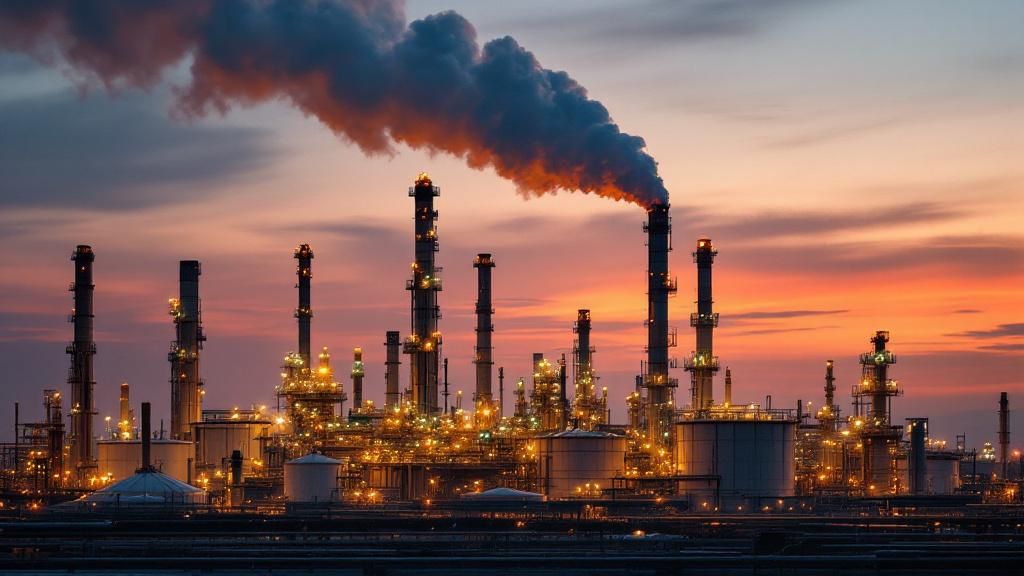
Global oil prices have experienced sharp increases in the past few days as markets respond to rising tensions in the Middle East and fears of potential disruptions to power supplies. The possibility of a lengthy conflict between the US, Israel, and Iran has reverberated through international energy markets, with traders factoring in the risk of major supply disruptions. These movements have rippled through the UK economy, where both household and business energy costs are under upward pressure. The volatility highlights the integrated nature of worldwide energy markets and the vulnerability of advanced economies to geopolitical disruptions in significant oil-producing regions.
The crisis has prompted urgent action from the world’s leading financial authorities. The G7, made up of the seven wealthiest nations, held an emergency meeting specifically to address the economic fallout from the conflict. This amount of joint global attention reveals genuine concerns about the risk of prolonged energy price rises across wealthy countries. While present price increases stay limited versus the steep increases witnessed during Russia’s military action of Ukraine, policymakers are keenly conscious that sustained dislocation could provoke more severe economic impacts, including rapid inflation and lower consumer consumption capacity.
Price Pressures Across Multiple Sectors
UK gas prices have witnessed particularly acute volatility, with benchmark rates climbing to 158p per therm on Monday—a marked rise from just two weeks earlier when levels stood at 80p. This sharp escalation reflects market anxiety about possible supply interruptions and demonstrates how quickly energy markets can respond to geopolitical developments. However, current prices remain significantly below compared to the crisis levels seen in the Ukraine conflict, when prices exceeded 600p per therm. This comparative context provides some reassurance, though it also highlights how rapidly markets can shift in response to perceived threats to energy infrastructure.
The pressure extends beyond natural gas to larger energy markets and downstream industries. Energy bills, heating expenses, and fuel prices all experience upward pressure as wholesale energy costs climb. Businesses dependent on intensive energy production confront margin compression, while shipping and logistics sectors confront higher operational costs. These compounding effects could generate inflation pressures across the economy, possibly impacting everything from manufacturing to retail. The Chancellor’s concern about increasing inflationary pressure demonstrates real concern that these energy cost increases could persist and spread throughout the economy if the conflict remains ongoing.
| Energy Type | Recent Price Movement |
|---|---|
| UK Natural Gas | Doubled to 158p per therm in two weeks |
| Global Crude Oil | Surged amid Iran conflict fears |
| Petrol and Diesel | Rising pressure on pump prices |
| Electricity | Upward pressure from wholesale costs |
Rising Inflation Worries and Household Consequences
Chancellor Rachel Reeves has issued a stark warning that the intensifying regional tensions represent a significant threat to UK inflation levels in the coming months. Her statement to Parliament reflects growing concern that energy price increases will ripple through the economy, driving costs higher across various industries. The government faces mounting pressure to respond swiftly, yet the current administration has stopped short of committing to the substantial energy bill packages that characterised the previous Conservative government’s response to the Ukraine crisis, which cost approximately £44 billion. This conservative strategy suggests officials think the current economic resilience and existing energy price cap protections may be sufficient to shield households from the worst immediate impacts.
Households stay vulnerable despite government protections, as the power cost ceiling will only shield them from immediate bulk price rises. While Ofgem had earlier stated a 7% reduction in energy bills expected from April, this forecast was made before the Iranian conflict intensified and may now need updating. Families already dealing with rising living expenses will monitor carefully as petrol and diesel prices respond to worldwide petroleum price shifts, potentially affecting transport costs and food prices through supply chain impacts. The more prolonged these international tensions become, the greater the likelihood that accumulated inflation will diminish household purchasing power and force difficult budgeting decisions for millions of British families grappling with existing financial pressures.
- Energy price ceiling offers urgent consumer protection from wholesale price rises
- Petrol and diesel price rises will increase transport and food costs for families
- Inflation forces could reduce real wages and household purchasing power significantly
- Government has not pledged to urgent energy assistance like earlier programs
- Prolonged instability risks causing sustained inflation influencing all spending sectors
Political Disagreements Over Strategy for Response
The government’s calibrated approach to the intensifying Middle East crisis has previously drawn objections from rival parties calling for tougher economic intervention. While Sir Keir Starmer stresses that Britain’s economy is more favourably placed than in 2022 to endure energy shocks, Labour faces pressure to justify why it has not matched the Conservative government’s prior emergency response packages. The political calculation appears to depend on whether existing protections—particularly the price protection—will be adequate, or whether the government will be compelled to make a expensive reversal if inflation rises sharply beyond projections in the following weeks.
International coordination initiatives, such as the G7’s emergency meeting and talks regarding unlocking emergency fuel stockpiles, constitute the administration’s favored strategy for addressing the crisis. However, this political strategy may prove insufficient if the conflict deepens and energy supplies face prolonged disruption. The balance of relying on international solutions and taking independent action to protect British families reveals broader uncertainty about the duration of the Iran situation will persist and how severely it will affect global energy markets.
Opposition Demands Immediate Action
Opposition politicians have begun questioning whether the government should actively communicate support measures rather than waiting for economic damage to materialise. They argue that insights drawn from the Ukraine crisis highlight the value of quick, forceful intervention to protect vulnerable households and businesses from price surges. With energy bills possibly increasing once more despite earlier predictions of reductions, critics contend that postponing action could prove damaging to both politics and the economy if inflation accelerates faster than government projections suggest.
International Cooperation and Tactical Measures
The UK government is placing considerable focus on coordinated international action to limit the economic fallout from escalating Middle East tensions. The G7’s emergency meeting highlights the collective concern among the world’s wealthiest countries about potential energy supply disruptions and their ripple effects on global inflation. Chancellor Rachel Reeves has indicated Britain’s willingness to support a joint release of strategic petroleum reserves held by the International Energy Agency, a measure designed to stabilize global energy markets and prevent sudden price increases. This coordinated strategy reflects the government’s belief that the crisis demands coordinated action rather than unilateral action, with officials actively monitoring developments and consulting international partners.
However, the success of these integrated efforts stays ambiguous, particularly if the Iran conflict continues past the short term. While the government argues that Britain’s economy is more resilient than during the 2022 Ukraine crisis to absorb energy shocks, the rapidly rising oil and gas prices point to vulnerability persists. The benchmark UK gas price has surged dramatically in recent weeks, climbing to 158p per therm—a clear indication of how quickly energy markets can destabilise. As cross-border negotiations proceed regarding strategic responses, the government encounters growing demands to show that diplomatic coordination and strategic reserves are adequate protections, or face backlash for inadequate preparation should economic conditions decline.
